

3 August 2026
Choosing the right tile finish can completely change the look, feel and practicality of a space. From the soft, understated appeal of matt tiles to the luxurious shine of polished surfaces, each finish creates a different aesthetic and performs differently depending on where it’s installed.
In this guide, we break down every finish in the Johnson Tiles range – matt, gloss, satin, lappato, grit, structured and polished – so you can match the right surface to the right space.
Key takeaways
- Gloss reflects light and suits walls, splashbacks and smaller rooms.
- Matt is the safer, lower-maintenance choice for floors and wet areas.
- Lappato sits between matt and gloss, offering some sheen with more texture than gloss.
- Structured and grit finishes prioritise slip resistance – ideal for outdoor and wet commercial areas.
- For wet areas or accessibility-sensitive projects, check the slip rating of any tile before you buy, not just the finish type.
| Finish | Appearance | Best Used For | Key Benefit |
|---|---|---|---|
| Matt | Soft, natural, non-reflective | Floors, walls, bathrooms, kitchens | Practical and versatile |
| Gloss | Bright, reflective | Walls, splashbacks | Adds light and visual impact |
| Satin | Soft sheen | Walls and decorative areas | Balance between matt and gloss |
| Lappato | Semi-polished sheen | Living areas, feature floors and walls | Premium look with subtle texture |
| Polished | High shine | Low-traffic interiors | Luxury appearance |
| Structured | Textured surface | Outdoor/commercial | Enhanced traction |
| Grit | Coarse textured surface | Outdoor/commercial | Slip resistance |
Table of Contents
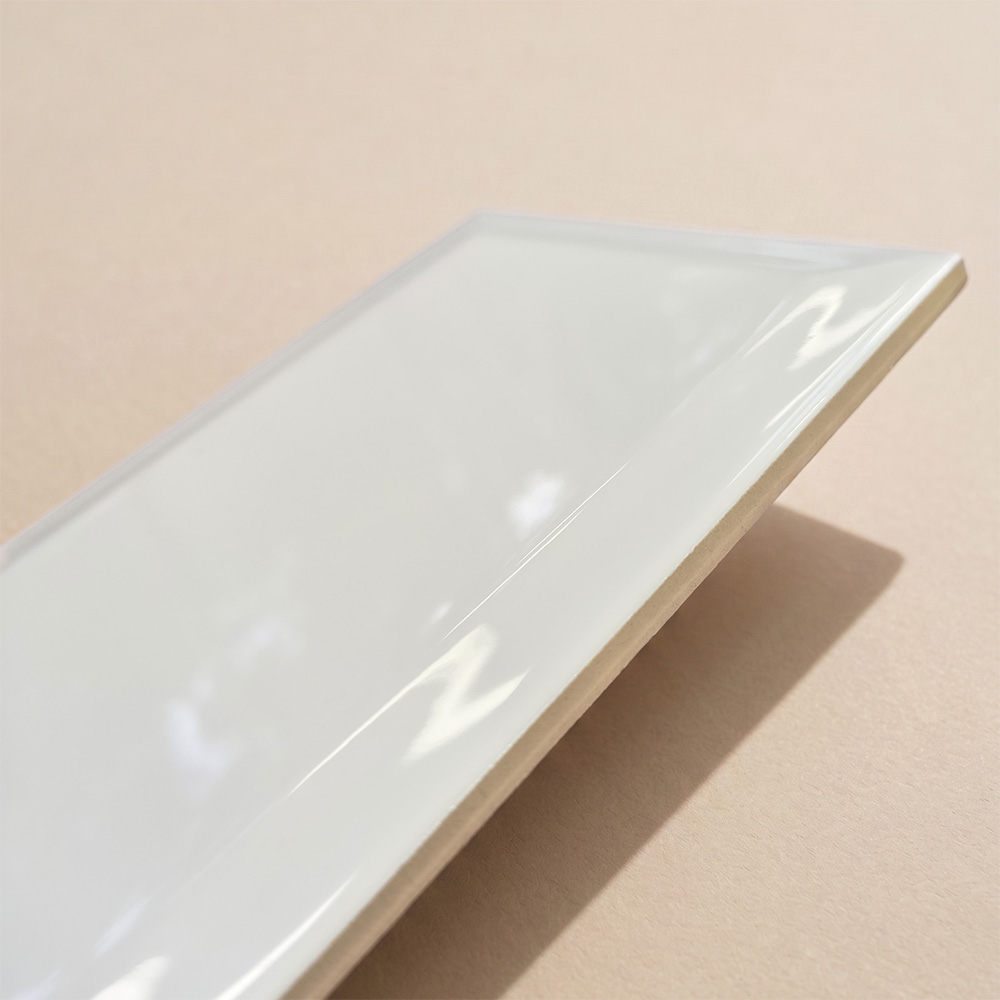
Gloss Tiles
Gloss tiles have a shiny, reflective glaze that bounces light around a room. The sheen and reflection makes them an ideal choice for walls in smaller bathrooms and powder rooms, where every bit of extra brightness helps a space feel larger. Gloss tiles are sometimes misinterpreted for polished tiles. However, gloss tiles are produced differently and the reflectivity is also different compared to polished tiles.
Gloss tiles are generally better suited to walls rather than floors, as smooth, highly reflective surfaces can become slippery when wet and may not provide the required traction for floor applications. In terms of maintenance and upkeep, gloss tiles wipe clean easily day-to-day, but soap scum and water droplets become noticeable if left to dry, so a quick wipe-down after use keeps them looking clean.
Where are gloss tiles best used?
Gloss tiles are commonly chosen for:
- Kitchen splashbacks
- Bathroom walls
- Feature walls
- Decorative areas
Matt Tiles
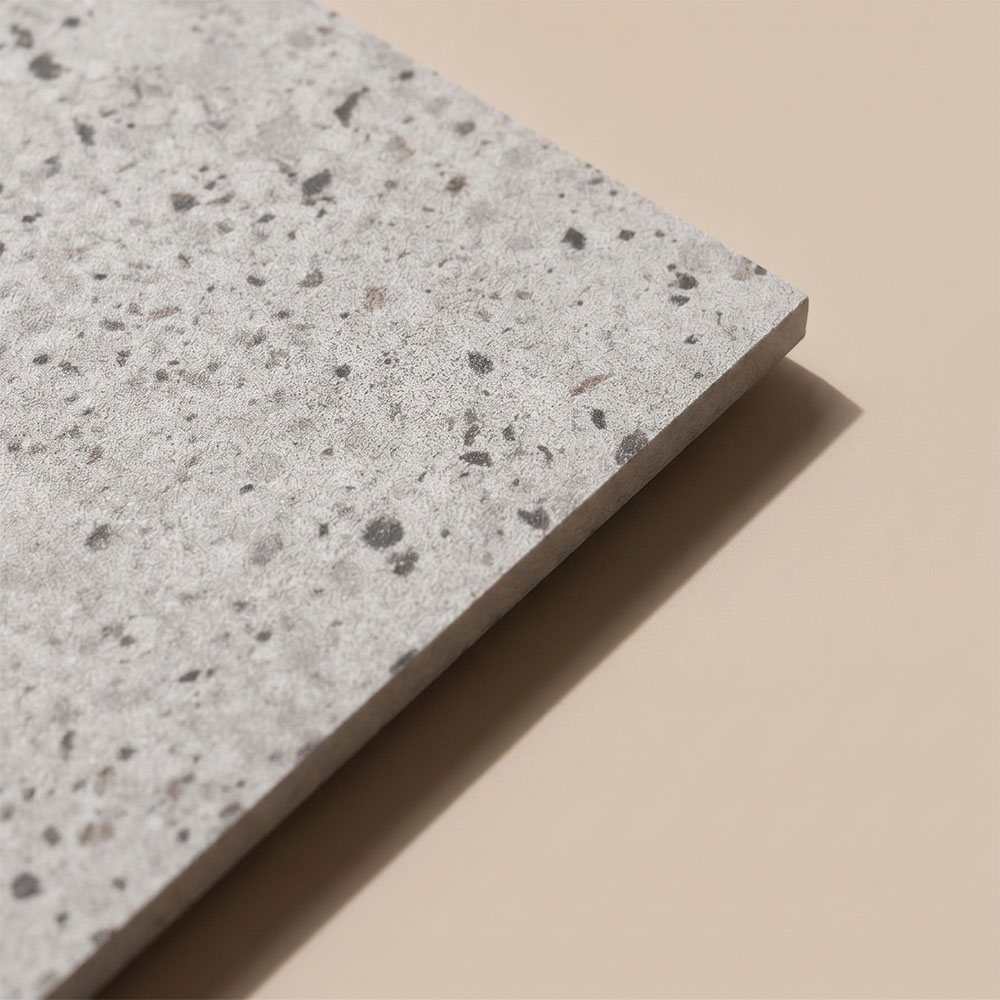
Matt tiles have a smooth, non-reflective surface that absorbs light rather than bouncing it back. They introduce a softer, more contemporary feel in your space and work beautifully in larger, well-lit areas. Matt finishes are also popular because they tend to disguise water marks, fingerprints and everyday wear better than highly reflective finishes.
Where matt finishes truly perform is underfoot – the non-reflective surface generally offers better grip than gloss, which is why matt is a preferred choice for bathroom, laundry and kitchen floors. Matt works just as well on walls as it does on floors, so it’s a flexible choice if you are looking for a consistent finish running through a whole room.
Where are matt tiles best used?
Matt tiles are commonly used for:
- Living room floors
- Kitchens
- Bathrooms
- Laundries
- Hallways
- Outdoor areas with suitable slip ratings
Satin Tiles
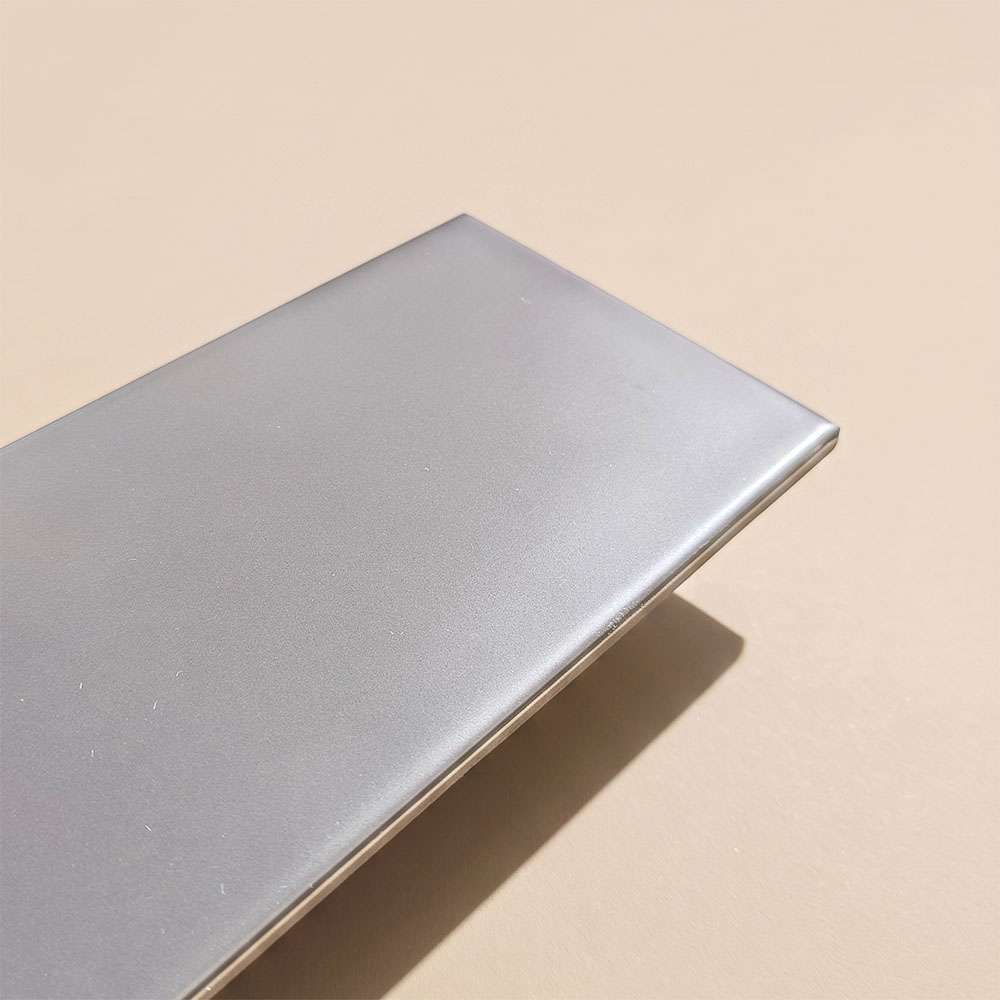
Satin sits in the middle ground between matt and gloss – with a soft, low-key sheen that adds some depth and warmth to a surface without the full reflectiveness of a traditional gloss finish.
Satin finishes are particularly popular in contemporary bathrooms and kitchens because they provide a refined appearance without the stronger reflections of gloss. They create a softer interaction with light, helping colours appear more restrained while maintaining a calm, understated aesthetic.
Where are satin tiles best used?
Satin finishes are commonly used for:
- Bathroom walls
- Kitchen walls
- Decorative feature areas
- Contemporary interiors
Lappato Tiles
Lappato – Italian for “semi-polished” – describes a surface that has undergone a partial polishing process, leaving a tile surface with a soft sheen and subtle texture (semi-polished appearance) rather than a full mirror finish. The result is a tile more sophisticated than matt but noticeably softer than full polish or gloss.
Because lappato finishes generally have more surface texture than highly polished tiles, it is a popular choice where people want the elegance of a semi-gloss look on floors as well as walls.
Where are lappato tiles best used?
Lappato tiles are popular for:
- Living areas
- Open-plan spaces
- Dining areas
- Feature floors
Structured Tiles
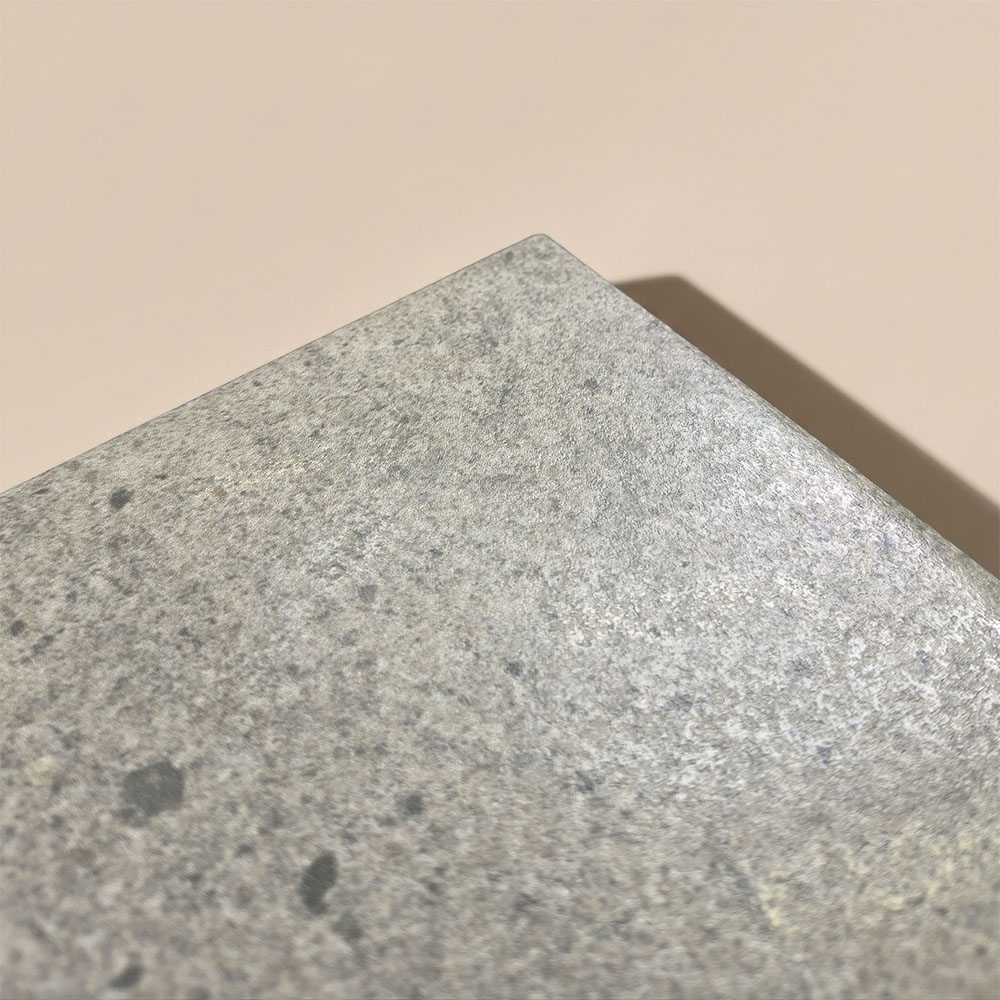
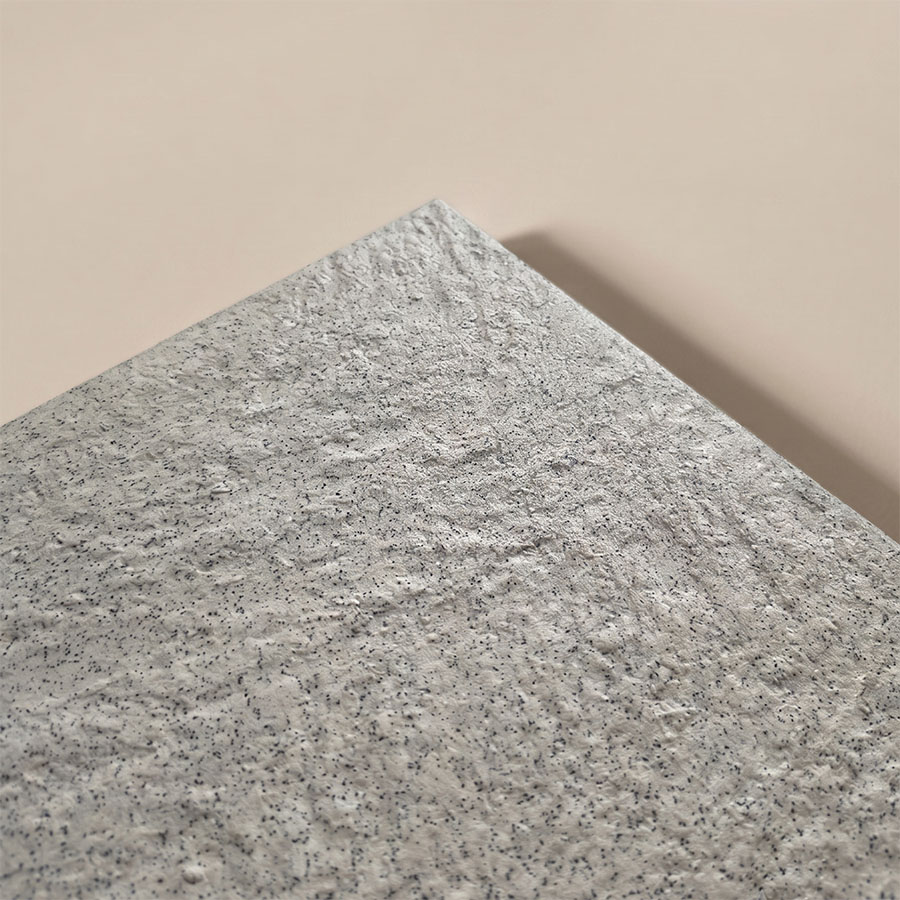
Structured tiles are a practical choice when slip resistance is the top priority. Structured tiles are pressed into a mould which results in the top surface being textured with small undulations – often designed to mimic natural stone, timber or concrete grain. This effect promotes a higher degree of pedestrian stability and is frequently used in external applications.
Common in outdoor areas, pool surrounds, alfresco spaces and commercial wet areas where safety underfoot matters more than reflectivity. They pair well with matt finishes and tend to carry higher slip ratings than other finishes on this list.
Where are structured tiles best used?
Structured tiles are ideal for:
- Outdoor entertaining areas
- Balconies
- Pool surrounds
- Commercial applications
Grit Tiles
Grit tiles feature a textured surface treatment that provides a high level of slip resistance, making them ideal for external applications. The finish creates a coarse, tactile surface by incorporating fine abrasive particles into the tile, helping to maximise grip, even in wet conditions. Grit tiles are most commonly used in outdoor areas, pool surrounds, ramps and specialist commercial environments where slip resistance is a key consideration.
Slip-resistant tiles can accumulate more dirt due to the coarse nature of the tile, and will naturally require more regular maintenance than smoother indoor tiles, however, it’s nothing that needs to complicate your maintenance routine.
Where are grit tiles used?
Common applications include:
- Patios
- Outdoor areas
- Pool surrounds
- Walkways
- Commercial outdoor spaces
Polished Tiles
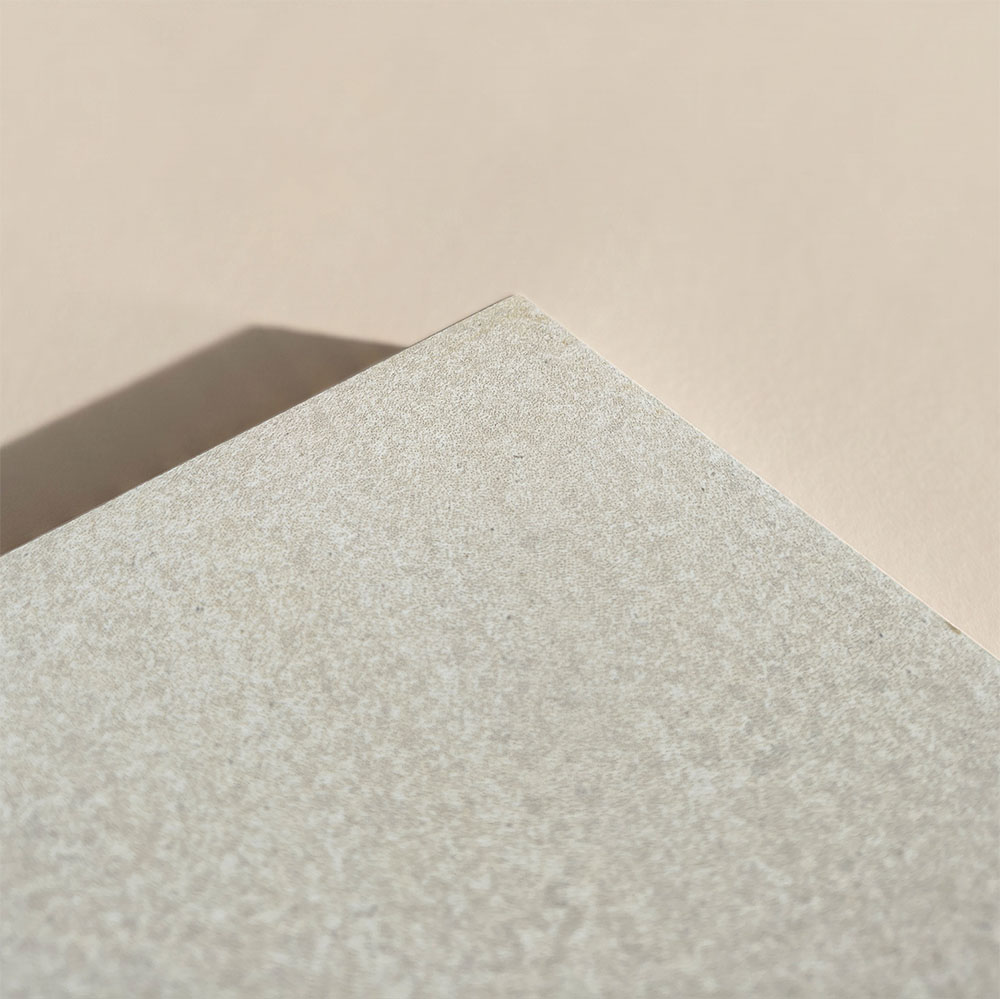
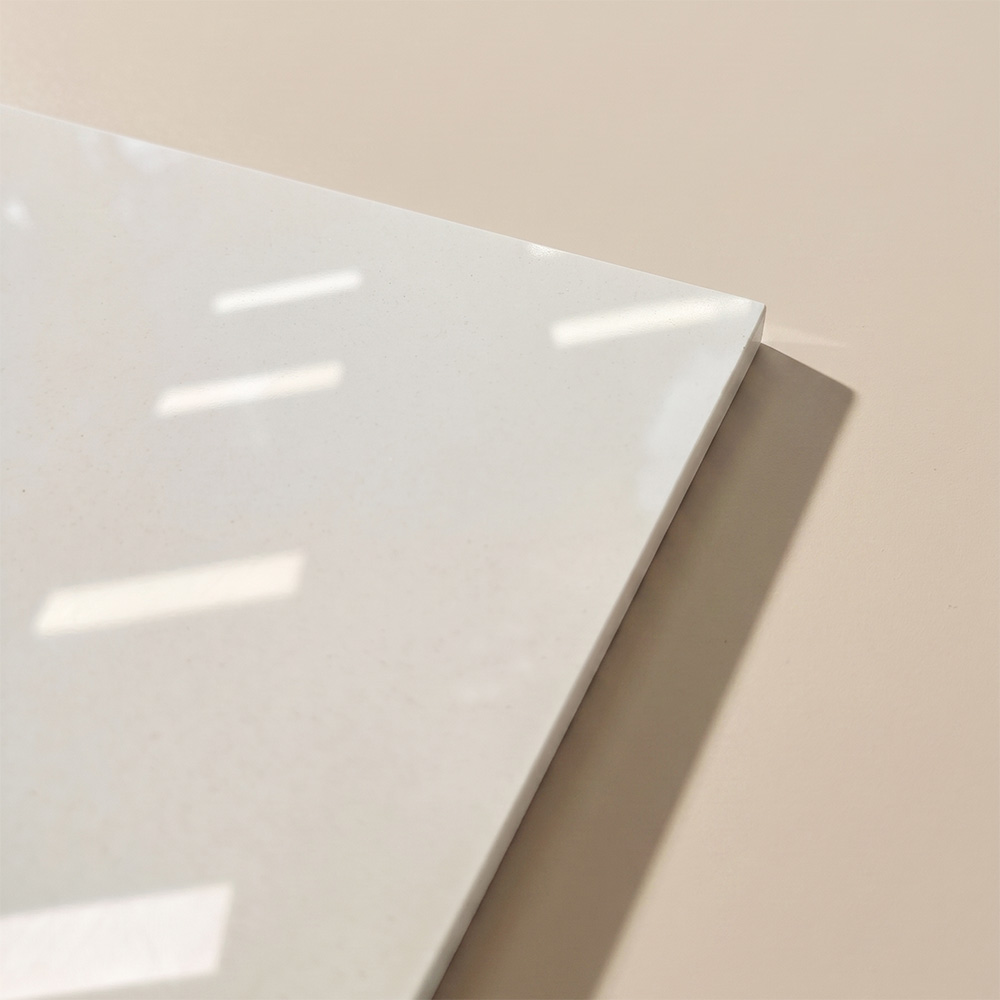
Polished tiles are ground with a series of increasingly fine polishing wheels until they reach a high-shine, mirror-like surface – a mechanical process rather than a glaze, which is what separates polished from gloss. The result is the most reflective and luxurious-looking finish in the range. Due to their smooth surface, polished tiles require careful consideration in wet areas and are generally better suited to dry, low-moisture applications.
Polished works best in low-moisture, low-traffic areas – feature walls, foyers and formal living spaces – where its elegant shine can be enjoyed without the slip and maintenance trade-offs that come with wet or high-traffic use. In sun-drenched large areas, polished tiles also work well, where natural light can reflect throughout the room. Polished tiles can be more porous than alternatives, due to the mechanical polishing process on the unglazed tile, which can require sealing depending on the tile’s technical characteristics.
Where are polished tiles best used?
Common applications include:
- Living rooms
- Dining areas
- Entrance spaces
- Feature interiors
Best Tile Finishes by Room
The best finish depends on both your design preference and how the space will be used.
| Area | Recommended Finishes |
|---|---|
| Bathroom floor | Matt is typically recommended; avoid gloss and polished, where the high sheen surface can become slippery. |
| Shower walls | Gloss, satin, matt or lappato all work well |
| Kitchen splashback | Gloss, satin |
| Kitchen floor | Matt for everyday durability and easy cleaning. |
| Living areas | Matt, lappato, polished (depending on use) |
| Entryways | Matt, lappato |
| Outdoor areas | Structured, grit, textured finishes |
How to Choose the Right Tile Finish
Before making your final decision, ask yourself:
- Where will the tile be installed? Floors, walls and outdoor areas all have different requirements.
- What is the level of maintenance needed for the tile finish? While highly reflective finishes can show marks, their smooth finish typically requires only a quick wipe down to clean in most cases. Textured finishes may require more cleaning due to the coarse nature of the surface.
- What style are you trying to achieve? Matt suits contemporary interiors, while polished and lappato create a more luxurious feel.
- Does the tile have the right slip rating? Always check the tested slip rating for wet areas and outdoor applications, regardless of the finish.
Find the Perfect Tile Finish for Your Project
Whichever finish you’re drawn to, it’s worth checking the slip rating of the specific tile before making your final decision, particularly for floors in wet areas and commercial spaces. Two tiles with the same finish name can have different slip ratings depending on the range and manufacturing process.
Many of our collections are available in multiple finishes, giving you greater design flexibility. For example, our Desert range is available in matt, grit and lappato finishes, allowing you to maintain a consistent look while selecting the most suitable surface for different rooms and applications.
Before making your final choice, it’s always worth seeing how a tile looks in your own space. Natural and artificial lighting can significantly influence how a finish appears, so ordering tile samples is one of the best ways to compare your options with confidence.
The right tile finish not only enhances the overall look of your space but also delivers the durability, slip resistance and practicality needed for everyday living.
Whether you prefer the understated simplicity of matt tiles, the reflective elegance of gloss finishes, or the refined appearance of lappato porcelain, Johnson Tiles offers a comprehensive range of finishes for Australian and New Zealand homes and commercial projects.
Explore finishes including Matt, Gloss, Satin, Lappato, Polished, Structured, and Grit, and order tile samples to experience their colour, texture and finish in your own space before you buy.
FAQs
Is matt or gloss better for a bathroom floor?
Matt is generally the safer choice for bathroom floors because it offers better grip when wet. Gloss is better suited to bathroom walls, where its reflective quality helps brighten the space without the slip risk.
What’s the difference between lappato and satin tiles?
Lappato is a semi-polished finish created by shortening the polishing process, giving a textured surface with a sheen. Satin is a smoother, glazed finish with a soft, even low-gloss sheen across the whole tile. Both sit between matt and full gloss, but lappato tends to have more visual texture.
Are polished tiles too slippery for a home?
Polished tiles are the most slippery finish in the range, so we don’t recommend them for bathroom or outdoor floors. They work well in low-moisture areas like feature walls, foyers and formal living spaces where slip risk isn’t a factor.
Do all tile finishes come in every colour and size?
Not always – finish availability depends on the specific range. Check each collection page or ask your local showroom if you have a particular colour or size in mind.
What slip rating should I look for in a wet area?
For bathrooms and other low-risk wet areas, as a general indication, a P2 rating is typically the minimum recommended. Outdoor areas, pool surrounds and commercial wet zones generally call for P4 or P5. See our full Slip Rating guide for details.
What’s the difference between tile finish and tile texture?
Tile finish describes the surface appearance and treatment of the tile, such as matt, gloss or polished. Texture refers to the physical feel of the surface, including smooth, embossed or structured finishes.
What is the most popular tile finish?
Matt finishes are among the most popular choices for Australian homes due to their versatility, practicality and suitability across floors and walls.
Are matt tiles harder to clean than gloss tiles?
Not necessarily. While textured matt tiles may require more attention, smooth matt porcelain tiles are generally easy to maintain and often hide marks better than highly reflective finishes.
